English (United States)

Aug 19, 2025

Digitalization of the wardrobe brand – Is a photo really a practical solution?

Digitalization of the wardrobe brand – Is a photo really a practical solution?

A man and his eagle look stoically ahead.

Note: This article serves for general information and is based on carefully researched content. For a binding legal assessment, please consult a qualified attorney or refer to official legal sources.

Introduction

More and more guests are trying to avoid losing a coat check tag by simply photographing it. The idea behind this is understandable: the photo serves as proof in case the tag gets lost.

However, from an operational perspective, this method poses significant challenges. Operators face the question: Should photos of the coat check tag be accepted as a legitimate replacement? This article highlights the business and organizational issues that arise from the attempt to use a photo of a physical tag.

1. The operational reality: Why a photo creates more problems than it solves

At first glance, it seems efficient: a guest loses their coat check tag, shows the staff the photo, and gets their jacket back. But what happens when multiple guests refer to the same photo or when a tag has been found by someone else in the meantime?

The coat check process is based on a clear and quick identification of the jacket. If this system is replaced by an uncontrollable variable like a photo, additional uncertainties arise:

  1. Loss of control: A photo is not proof of ownership. The staff cannot verify whether the guest actually owned the tag or if the photo comes from someone else.

  2. Increased susceptibility to fraud: Guests might present an old photo or share images among themselves to illegally obtain a jacket.

  3. Delays in the process: Every guest who comes with a photo needs to answer additional questions. Describing the jacket, potential mix-ups, and weighing the decision to return it increases waiting times for everyone.

  4. Unclear decision-making basis for the staff: Is a photo accepted or not? If yes, in which cases? Without clear rules, subjective decision-making arises, leading to uncertainties and conflicts.

2. Why photos lead to longer waiting times

Losing a tag already means extra time in a classic system. When guests also present a photo, the situation does not improve.

Normally, the jacket handover is quick and structured:

  • The guest hands over the coat check tag.

  • The staff takes the tag and retrieves the jacket from the numbered row.

  • The jacket is handed over without delay.

However, if a photo is accepted as a replacement, the process changes:

  1. Identification: The staff must decipher the number on the photo. In dark or hectic situations, this can be difficult.

  2. Security check: Is there any doubt about whether the photo really belongs to the guest? Follow-up questions or an identity verification might be necessary.

  3. Coordination with other guests: If another person appears with the same number, the staff must clarify to whom the jacket actually belongs.

The result: longer waiting times, dissatisfied guests, and stressed staff.

3. The security risk: How photos facilitate fraud

An analog system only works if it is tamper-proof. However, a photo is easily manipulable and opens the door to abuse.

Typical fraud scenarios:

  • Sharing of photos: A guest takes a photo of their tag and shares it with another person. This person can pick up the jacket while the actual owner shows the same photo and claims there has been a mistake.

  • Manipulated images: In times of image editing, it is easy to change numbers on photos or copy tags from the internet.

  • Feigning a loss: A guest claims to have lost their tag, shows a photo, and gets a jacket that does not belong to them.

Even if such cases are rare, they can lead to complaints, dissatisfaction, and liability issues for the operator in serious cases.

Conclusion – Why photos as replacements for coat check tags are not a solution

The attempt to replace a physical tag with a simple photo creates operational challenges.

  • Guests think they are securing themselves – in reality, they only create more problems for the staff.

  • The system becomes less efficient as it causes delays and uncertainties in the jacket handover.

  • The risk of fraud increases significantly, as photos can be easily shared or manipulated.

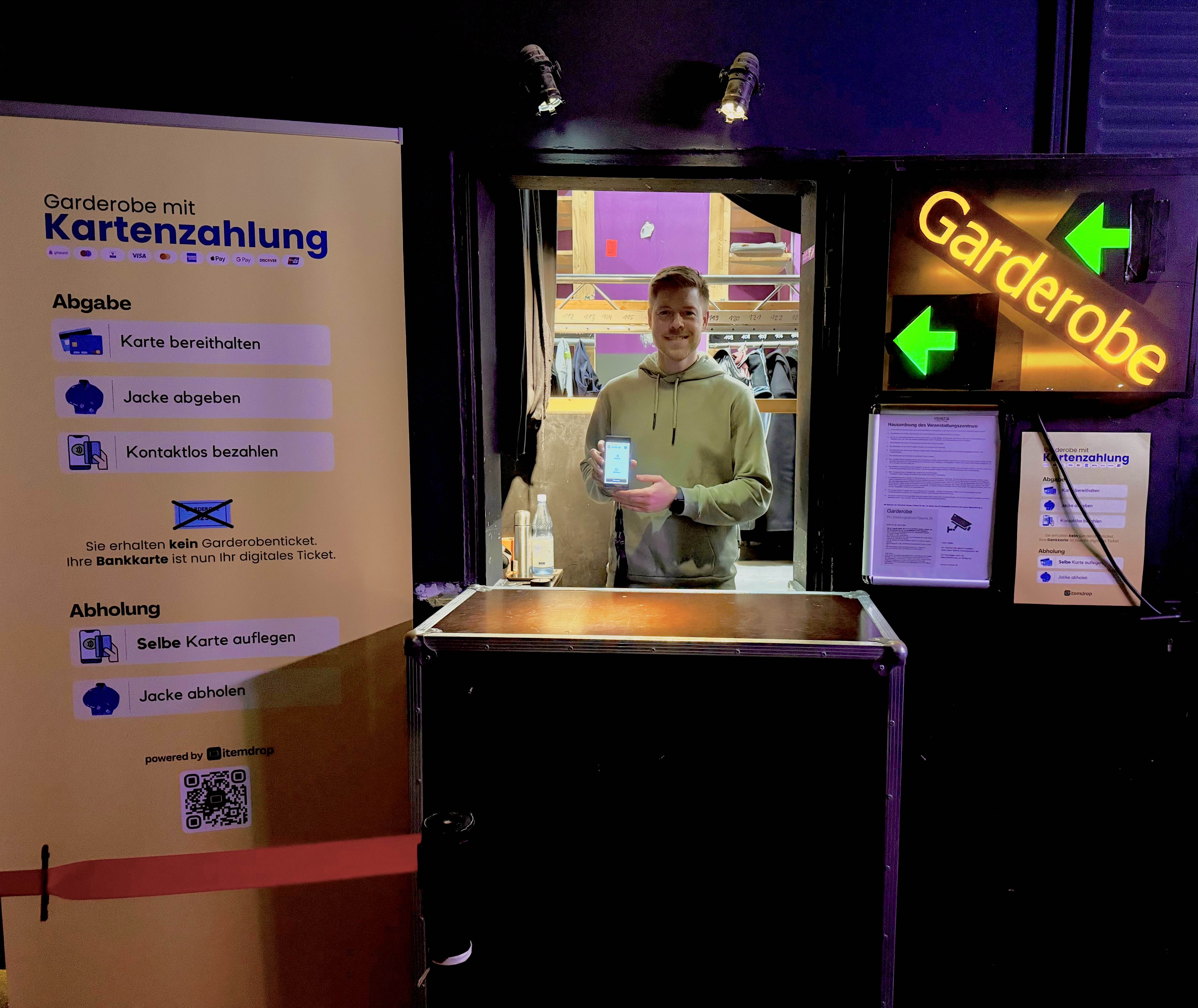
A thoughtful, digital system can offer security, speed, and transparency – without the downsides of an insecure photo-based system.
Note: This article serves for general information and is based on carefully researched content. For a binding legal assessment, please consult a qualified attorney or refer to official legal sources.

Introduction

More and more guests are trying to avoid losing a coat check tag by simply photographing it. The idea behind this is understandable: the photo serves as proof in case the tag gets lost.

However, from an operational perspective, this method poses significant challenges. Operators face the question: Should photos of the coat check tag be accepted as a legitimate replacement? This article highlights the business and organizational issues that arise from the attempt to use a photo of a physical tag.

1. The operational reality: Why a photo creates more problems than it solves

At first glance, it seems efficient: a guest loses their coat check tag, shows the staff the photo, and gets their jacket back. But what happens when multiple guests refer to the same photo or when a tag has been found by someone else in the meantime?

The coat check process is based on a clear and quick identification of the jacket. If this system is replaced by an uncontrollable variable like a photo, additional uncertainties arise:

  1. Loss of control: A photo is not proof of ownership. The staff cannot verify whether the guest actually owned the tag or if the photo comes from someone else.

  2. Increased susceptibility to fraud: Guests might present an old photo or share images among themselves to illegally obtain a jacket.

  3. Delays in the process: Every guest who comes with a photo needs to answer additional questions. Describing the jacket, potential mix-ups, and weighing the decision to return it increases waiting times for everyone.

  4. Unclear decision-making basis for the staff: Is a photo accepted or not? If yes, in which cases? Without clear rules, subjective decision-making arises, leading to uncertainties and conflicts.

2. Why photos lead to longer waiting times

Losing a tag already means extra time in a classic system. When guests also present a photo, the situation does not improve.

Normally, the jacket handover is quick and structured:

  • The guest hands over the coat check tag.

  • The staff takes the tag and retrieves the jacket from the numbered row.

  • The jacket is handed over without delay.

However, if a photo is accepted as a replacement, the process changes:

  1. Identification: The staff must decipher the number on the photo. In dark or hectic situations, this can be difficult.

  2. Security check: Is there any doubt about whether the photo really belongs to the guest? Follow-up questions or an identity verification might be necessary.

  3. Coordination with other guests: If another person appears with the same number, the staff must clarify to whom the jacket actually belongs.

The result: longer waiting times, dissatisfied guests, and stressed staff.

3. The security risk: How photos facilitate fraud

An analog system only works if it is tamper-proof. However, a photo is easily manipulable and opens the door to abuse.

Typical fraud scenarios:

  • Sharing of photos: A guest takes a photo of their tag and shares it with another person. This person can pick up the jacket while the actual owner shows the same photo and claims there has been a mistake.

  • Manipulated images: In times of image editing, it is easy to change numbers on photos or copy tags from the internet.

  • Feigning a loss: A guest claims to have lost their tag, shows a photo, and gets a jacket that does not belong to them.

Even if such cases are rare, they can lead to complaints, dissatisfaction, and liability issues for the operator in serious cases.

Conclusion – Why photos as replacements for coat check tags are not a solution

The attempt to replace a physical tag with a simple photo creates operational challenges.

  • Guests think they are securing themselves – in reality, they only create more problems for the staff.

  • The system becomes less efficient as it causes delays and uncertainties in the jacket handover.

  • The risk of fraud increases significantly, as photos can be easily shared or manipulated.

A thoughtful, digital system can offer security, speed, and transparency – without the downsides of an insecure photo-based system.

Experience itemdrop live in action

Experience itemdrop live in action

Book a free demo and see how easy the digital wardrobe works.

Book a free demo and see how easy the digital wardrobe works.

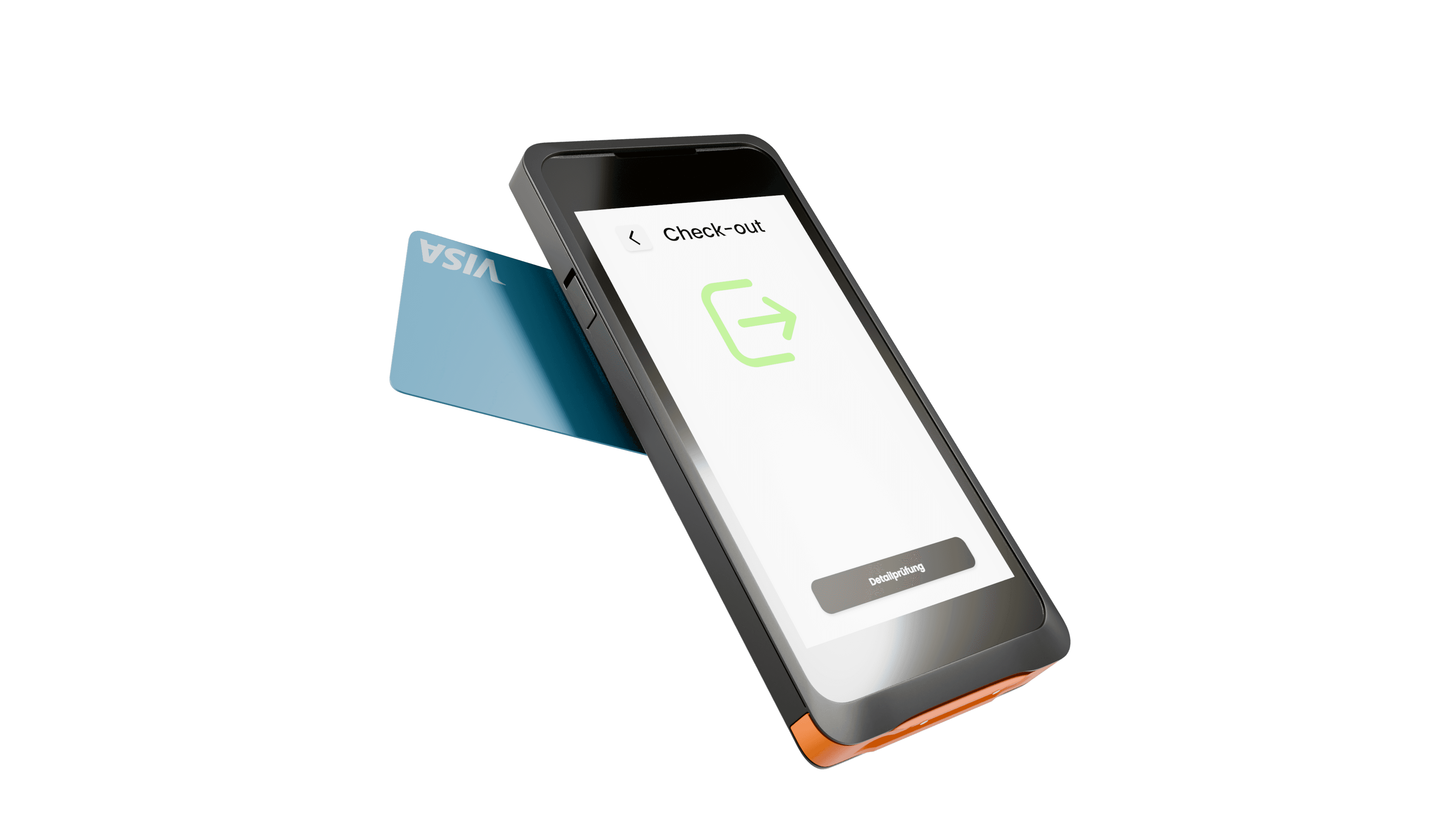
Mockup_Itemdrop-Handheld