Aug 29, 2025
Introduction
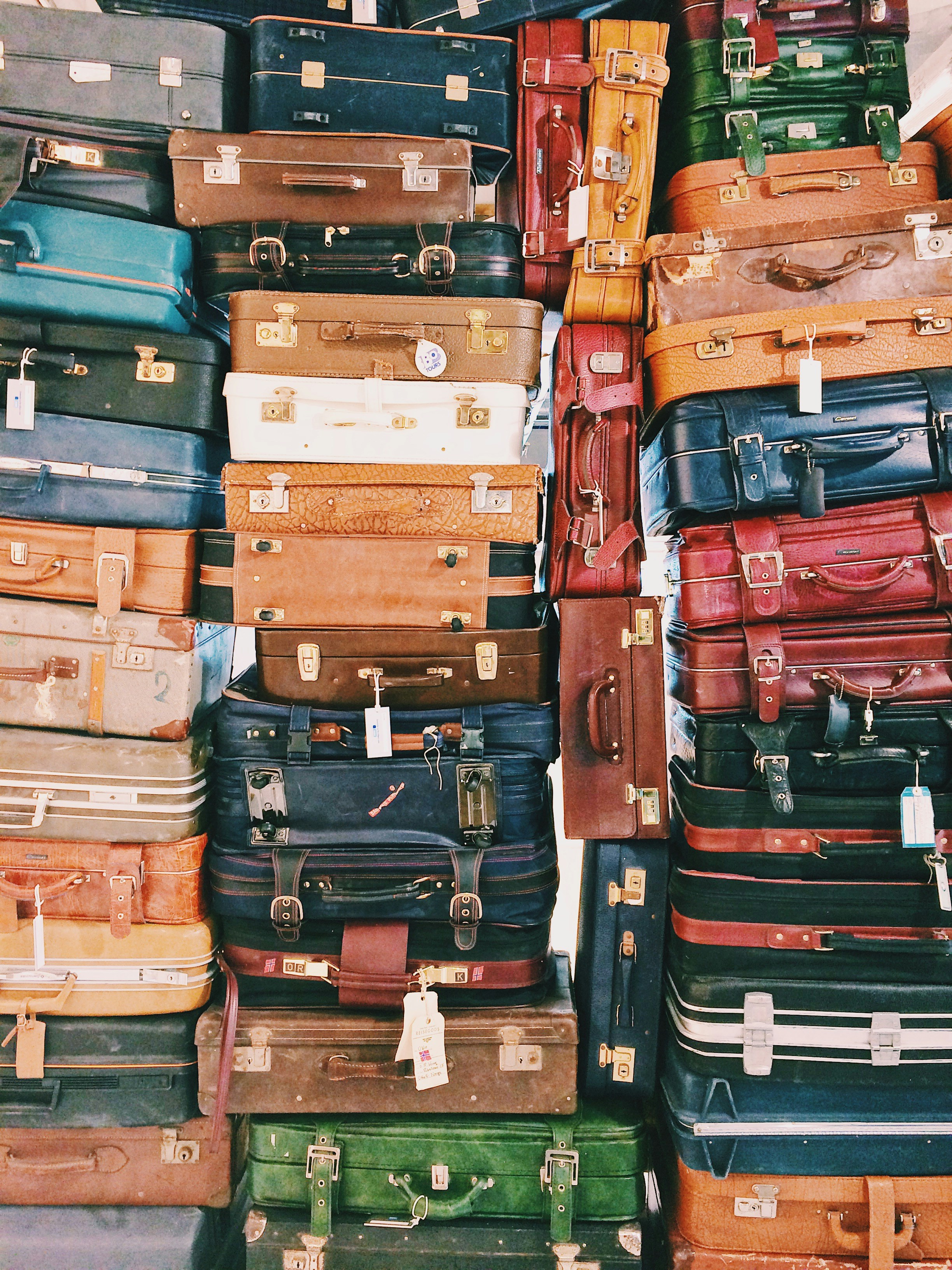
Trade fairs and large events bring not only a large number of visitors with them but also their luggage. While the coat check procedures for jackets are usually clearly regulated, things get complicated with suitcases. Many organizers rely on luggage tags to provide a simple solution for luggage storage. However, in practice, it quickly becomes clear: There is hardly a well-thought-out system for luggage tags, which complicates the process for guests and staff.
The lack of a standardized luggage tag system leads to problems with attachment, with the assignment of luggage and jackets, and with distribution. A chaotic coat check process wastes time and leads to frustration for guests and staff.
Why luggage tags don't work in practice
There are no really good luggage tags. While established solutions like plastic or paper tags exist for jackets, practical alternatives for suitcases are lacking.
A straightforward option is luggage tags like those at airports, but these are not ideal. They are intended for long-term use, but they can come off due to heat or moisture and are cumbersome to apply. Additionally, they are comparatively expensive and need to be regularly reordered.
Another possibility is attaching the tag with tape or glue directly to the suitcase. However, this solution takes time, as staff must manually apply each tag. Additionally, adhesive residues often remain on high-quality suitcases, which annoys guests.
Plastic tags are not a viable alternative because there is no fixed positioning for suitcases. Unlike jackets, which hang on numbered hooks, suitcases need to be stacked or placed flexibly. A fixed numbering system is thus hardly feasible.
The main problem: The combination of suitcases and jackets
The biggest organizational mistake occurs when guests check in both their suitcase and their jacket. Jackets and suitcases are stored in different areas, complicating the entire process unnecessarily.
A guest checks in their jacket and suitcase and receives two different tags in return. When picking up, staff must first retrieve the jacket and then walk through the entire storage area to find the corresponding suitcase. This double workload extends waiting times for everyone and quickly leads to chaos in stressful situations.
Events with a high volume of suitcases require an efficient structure that minimizes this additional effort. Without a clear solution, delays and mix-ups arise.
Conclusion – Why luggage tags are an unexpected problem
Luggage tags are, in theory, a simple solution, but in practice, they are associated with many challenges.
Surprisingly, there isn’t a good method for numbering suitcases, which complicates organization for event organizers. The combination of coat and luggage checks leads to unnecessary delays and complicated processes.
A well-thought-out solution saves time, minimizes waiting times, and prevents misunderstandings during distribution. Organizers who need to store a large number of suitcases should think early about how to make this process efficient.
Jan 29, 2026
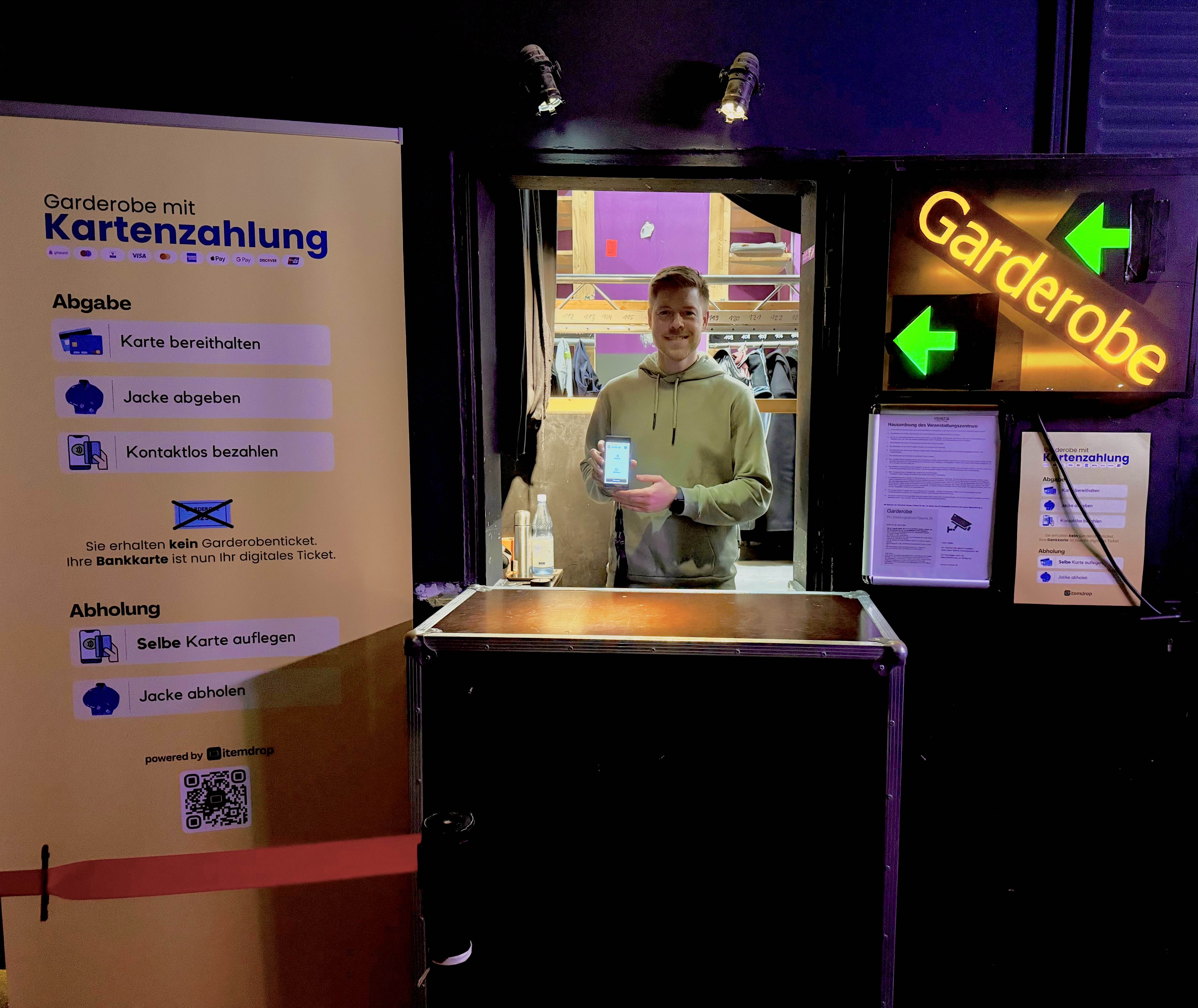
Interview with the management of Grosse Freiheit 36: This is how the digital wardrobe works at Grosse Freiheit 36
Learn more

Sep 1, 2025
The perfect wardrobe process – Why a wardrobe without brands is more efficient
Learn more
Aug 29, 2025
Luggage tags in the cloakroom – Why they are a real problem
Learn more