English (United States)

Aug 25, 2025

Plastic tokens in the cloakroom – Functionality, advantages, and challenges

Plastic tokens in the cloakroom – Functionality, advantages, and challenges

A man and his eagle look stoically ahead.

Introduction

Plastic tags are one of the most commonly used methods for organizing a cloakroom. They are used in theaters, clubs, hotels, or at trade fairs and are considered a durable and professional alternative to paper tags.

But how does the system work exactly? What advantages do plastic tags offer over other methods, and what challenges does their use bring?

This article explains the practical application, the organizational effort, as well as the advantages and disadvantages of plastic tags in the cloakroom.

1. How does the system with plastic tags work?

The basic principle is the same as with other cloakroom tags.

  1. The guest checks in their coat and receives a plastic tag with a number.

  2. The same number is assigned to a specific place in the cloakroom.

  3. The coat is hung in the designated place, and the tag remains with the guest.

  4. Upon pickup, the guest returns the tag, and the coat is handed over.

For this system to work efficiently, it must be well prepared and organized in advance.

2. Organization and preparation of the plastic tags

Plastic tags must be prepared prior to the start of the event and hung in the correct place in the pre-numbered cloakroom.

  • Each cloakroom number has a specifically assigned plastic tag.

  • The guest receives the tag as soon as the coat is checked in.

Advantage:

  • Clear structure, no risk of confusion.

  • The staff always knows where each tag is located.

Disadvantage:

  • Once a tag is lost, it is permanently missing and must be replaced.

3. The process – Why plastic tags can take time

A major drawback of plastic tags lies in the time delay caused by the handling.

  1. Hanging up the coat

  • The guest checks in their coat.

  • The coat is hung at the designated place.

  1. Assigning the appropriate tag

  • The staff retrieves the corresponding plastic tag or reaches for the prepared tag.

  • The tag is handed over to the guest.

This additional step means that guests have to wait longer during the check-in process compared to other systems where the number is assigned immediately upon entry.

4. What happens if a plastic tag is lost?

Plastic tags are more durable than paper tags, but they can still be lost. If this happens, they must be replaced.

The problem: Plastic tags are often custom made and cannot simply be reprinted.

Typical solutions for lost plastic tags:

  • Replacement by a 3D printer: Many operators have missing tags remade with a 3D printer to maintain the uniformity of the system.

  • Manual engraving: If the material allows it, numbers can be engraved retroactively.

  • Complete set of replacement tags: Some cloakroom operators keep a set of replacement tags ready that can be used in case of loss.

Reordering or reproducing plastic tags incurs additional costs and effort, which can affect operations in the long term.

5. Advantages of plastic tags

  • Durable and robust: Plastic tags last significantly longer than paper tags and are resistant to moisture and wear.

  • Professional appearance: They look more elegant and high-quality than paper tags, which is particularly advantageous in theaters, hotels, and upscale venues.

  • Reusable: Unlike paper tags, they do not need to be replaced after each event.

  • More sustainable than paper tags: Since they can be reused, less waste is produced.

6. Disadvantages of plastic tags

  • Higher acquisition costs: Plastic tags are more expensive to produce than paper tags, especially when they are engraved or feature special logos.

  • Slower process: The process of checking in and returning coats takes longer because the tag must first be retrieved or assigned.

  • Problem with loss: If a tag is lost, it must be produced again at a high cost.

  • Limited flexibility: A fixed numbering system means that spontaneous changes are more difficult than with paper tags.

7. When are plastic tags the right choice?

Plastic tags are particularly suitable for venues with medium to high guest traffic that rely on a durable and professional solution.

Suitable for:

  • Theaters and upscale venues that value a high-quality appearance.

  • Hotels where a long-term system is necessary.

  • Trade shows or corporate events where a stable and uniform cloakroom solution is desired.

Less suitable for:

  • Small, temporary events where a quick and flexible solution is needed.

  • Clubs or concerts with heavy attendance, where fast cloakroom processes are a priority.

Conclusion – Plastic tags as a sustainable but time-consuming solution

Plastic tags offer a durable and professional way to organize a cloakroom. They look high-quality, are reusable, and are more environmentally friendly than disposable paper tags.

However, they also have disadvantages. The cloakroom process can be slowed down by the additional assignment of the tag, and if a tag is lost, it must be expensively reproduced.

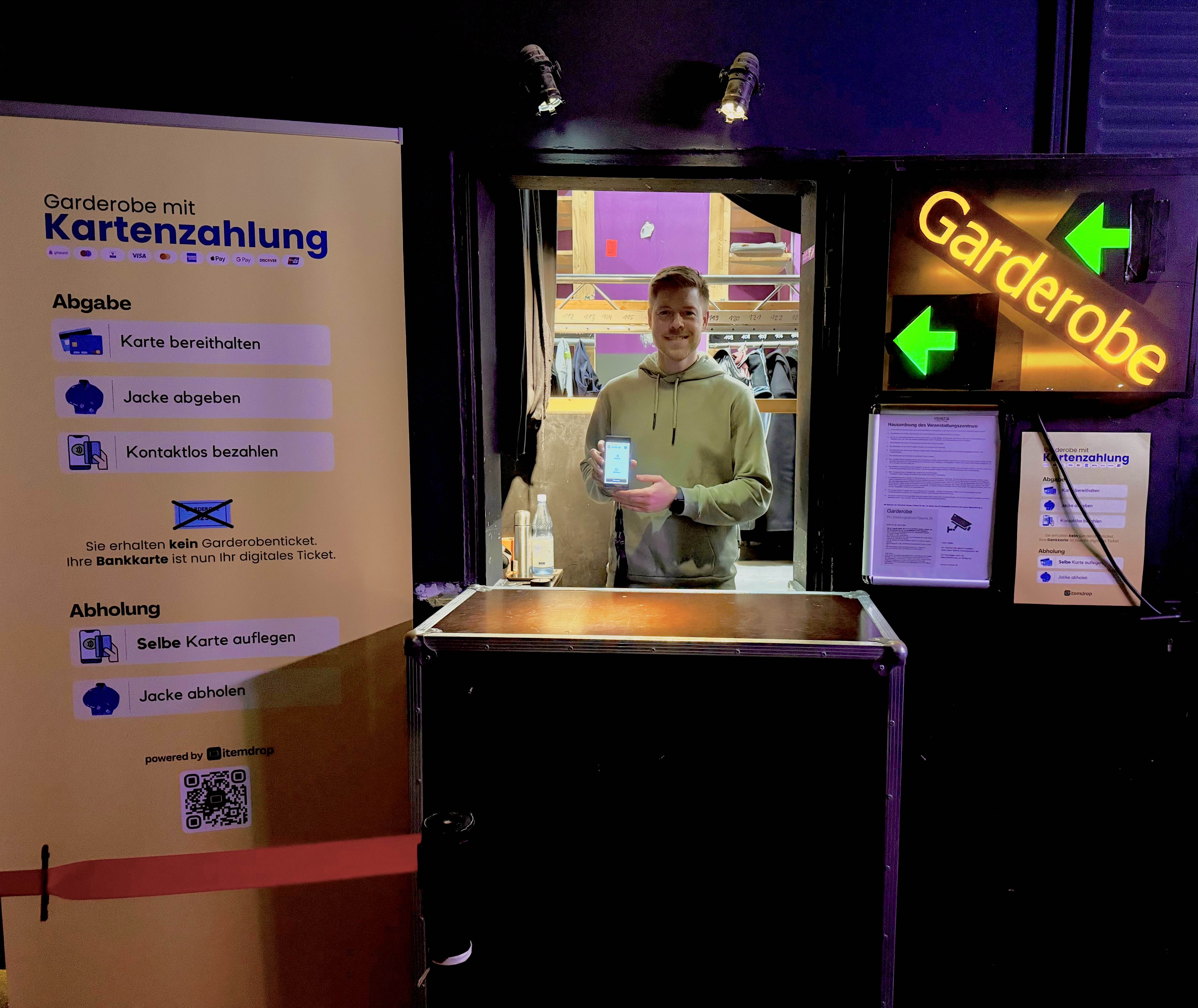
It may be sensible to consider alternative, digital solutions.
Introduction

Plastic tags are one of the most commonly used methods for organizing a cloakroom. They are used in theaters, clubs, hotels, or at trade fairs and are considered a durable and professional alternative to paper tags.

But how does the system work exactly? What advantages do plastic tags offer over other methods, and what challenges does their use bring?

This article explains the practical application, the organizational effort, as well as the advantages and disadvantages of plastic tags in the cloakroom.

1. How does the system with plastic tags work?

The basic principle is the same as with other cloakroom tags.

  1. The guest checks in their coat and receives a plastic tag with a number.

  2. The same number is assigned to a specific place in the cloakroom.

  3. The coat is hung in the designated place, and the tag remains with the guest.

  4. Upon pickup, the guest returns the tag, and the coat is handed over.

For this system to work efficiently, it must be well prepared and organized in advance.

2. Organization and preparation of the plastic tags

Plastic tags must be prepared prior to the start of the event and hung in the correct place in the pre-numbered cloakroom.

  • Each cloakroom number has a specifically assigned plastic tag.

  • The guest receives the tag as soon as the coat is checked in.

Advantage:

  • Clear structure, no risk of confusion.

  • The staff always knows where each tag is located.

Disadvantage:

  • Once a tag is lost, it is permanently missing and must be replaced.

3. The process – Why plastic tags can take time

A major drawback of plastic tags lies in the time delay caused by the handling.

  1. Hanging up the coat

  • The guest checks in their coat.

  • The coat is hung at the designated place.

  1. Assigning the appropriate tag

  • The staff retrieves the corresponding plastic tag or reaches for the prepared tag.

  • The tag is handed over to the guest.

This additional step means that guests have to wait longer during the check-in process compared to other systems where the number is assigned immediately upon entry.

4. What happens if a plastic tag is lost?

Plastic tags are more durable than paper tags, but they can still be lost. If this happens, they must be replaced.

The problem: Plastic tags are often custom made and cannot simply be reprinted.

Typical solutions for lost plastic tags:

  • Replacement by a 3D printer: Many operators have missing tags remade with a 3D printer to maintain the uniformity of the system.

  • Manual engraving: If the material allows it, numbers can be engraved retroactively.

  • Complete set of replacement tags: Some cloakroom operators keep a set of replacement tags ready that can be used in case of loss.

Reordering or reproducing plastic tags incurs additional costs and effort, which can affect operations in the long term.

5. Advantages of plastic tags

  • Durable and robust: Plastic tags last significantly longer than paper tags and are resistant to moisture and wear.

  • Professional appearance: They look more elegant and high-quality than paper tags, which is particularly advantageous in theaters, hotels, and upscale venues.

  • Reusable: Unlike paper tags, they do not need to be replaced after each event.

  • More sustainable than paper tags: Since they can be reused, less waste is produced.

6. Disadvantages of plastic tags

  • Higher acquisition costs: Plastic tags are more expensive to produce than paper tags, especially when they are engraved or feature special logos.

  • Slower process: The process of checking in and returning coats takes longer because the tag must first be retrieved or assigned.

  • Problem with loss: If a tag is lost, it must be produced again at a high cost.

  • Limited flexibility: A fixed numbering system means that spontaneous changes are more difficult than with paper tags.

7. When are plastic tags the right choice?

Plastic tags are particularly suitable for venues with medium to high guest traffic that rely on a durable and professional solution.

Suitable for:

  • Theaters and upscale venues that value a high-quality appearance.

  • Hotels where a long-term system is necessary.

  • Trade shows or corporate events where a stable and uniform cloakroom solution is desired.

Less suitable for:

  • Small, temporary events where a quick and flexible solution is needed.

  • Clubs or concerts with heavy attendance, where fast cloakroom processes are a priority.

Conclusion – Plastic tags as a sustainable but time-consuming solution

Plastic tags offer a durable and professional way to organize a cloakroom. They look high-quality, are reusable, and are more environmentally friendly than disposable paper tags.

However, they also have disadvantages. The cloakroom process can be slowed down by the additional assignment of the tag, and if a tag is lost, it must be expensively reproduced.

It may be sensible to consider alternative, digital solutions.

Experience itemdrop live in action

Experience itemdrop live in action

Book a free demo and see how easy the digital wardrobe works.

Book a free demo and see how easy the digital wardrobe works.

Mockup_Itemdrop-Handheld