English (United States)

May 12, 2025

To-Do List: How to Make Your Wardrobe Legally Secure

To-Do List: How to Make Your Wardrobe Legally Secure

A man and his eagle look stoically ahead.

Whether in theaters, clubs, or event halls – a cloakroom is part of the standard offering at many venues. But what happens if a jacket is lost or damaged? Who is liable if a cloakroom tag goes missing? Operators often face legal uncertainties and organizational challenges that can lead to conflicts with guests.

Many believe that a simple sign stating "No liability for the cloakroom" is enough to protect them legally. However, in practice, this is often ineffective as the legal framework varies depending on the type of cloakroom. Incorrect or missing liability coverage can lead to significant risks. In this post, you will learn how to establish a legally secure cloakroom, avoid liability pitfalls, and ensure smooth operations.

Summary: Key Points at a Glance

  • Check liability: A supervised cloakroom with a tag constitutes a custody agreement – and thus a liability on the part of the operator.

  • Establish terms and conditions: Clear regulations regarding liability, return, loss of the tag, and storage periods should be documented in writing and be visible to guests.

  • Secure cloakroom process: A structured system for the use of cloakroom tags and handling lost tags minimizes risks.

  • Train staff: Your employees must understand the processes and know how to handle guests in critical situations.

  • Observe financial obligations: Cash register systems, receipt requirements, and the possibility of exemption from receipt printing should be checked.

1. Legal Basics: When Are You Liable as an Operator?

The crucial factor for your liability is whether a custody agreement is established between you and your guests. Such a contract arises automatically when you actively receive and securely store jackets – for example, at a supervised cloakroom with a tag. In this case, you are obligated to ensure the careful storage and are liable for loss or damage to the jacket, unless you can prove that you are not at fault.

The situation differs with unsupervised cloakrooms, such as coat hooks in restaurants or open shelving in event spaces. Since guests can hang their jackets there themselves and access them at any time, no custody agreement is created – and therefore you have no liability.

Why the liability disclaimer "No liability for the cloakroom" is often ineffective:

A blanket liability disclaimer is legally invalid if a custody agreement exists. Your guests can expect that their deposited jacket will be stored securely. You should therefore clearly regulate your liability in your terms and conditions, instead of relying on invalid signs.

2. Clear Terms and Conditions: The Foundation for Legal Certainty

Terms and conditions are your most important tool for minimizing legal risks. They should include the following points:

  • Liability regulations: As an operator, you are only liable for gross negligence or intentional misconduct. A liability cap can be established.

  • Exclusion of valuables: Your terms and conditions should state that you do not accept liability for valuables located in bags.

  • Loss of cloakroom tag: Regulations for dealing with lost tags, e.g., identity verification and documentation through a loss form.

  • Storage duration: What happens to unclaimed jackets? A time frame (e.g., 30 days) should be clearly defined.

Ensure that the terms and conditions are clearly posted at the cloakroom and that guests are informed of the conditions when they deposit their jackets.

3. Secure Cloakroom Process: Ensuring Smooth Operations

A well-thought-out system for cloakroom management reduces errors and disputes.

  • Cloakroom tags as proof

    Every deposited jacket receives a number that is issued with a physical tag. Photos of the tag are not sufficient, as they do not qualify as legal proof of ownership under § 807 BGB.

  • Procedure for lost tags

    If guests lose their tag, a secure procedure should come into effect: identity verification, a detailed description of the jacket, and signing a loss form. In many establishments, a deposit is also collected to prevent abuse.

  • Deadline for unclaimed jackets

    Determine how long unclaimed jackets will be stored. After the deadline, these can either be handed over to the lost and found, donated, or disposed of.

4. Train Staff: Enhance Safety and Service Quality

Well-trained staff is crucial for smooth operations. Your employees must know how to communicate with guests, what regulations apply, and how to properly respond to problems (e.g., lost tags).

Particular attention should be paid to the cloakroom tag as proof.

Photos of the tag should not be accepted, as they do not represent a legal claim of ownership and open the door for abuse. The physical tag remains the only valid proof for collection.

5. Financial Obligations: Cash Register Systems, Receipt Requirements, and Tax Law

Many cloakrooms operate with an open cash register, but legal requirements also apply here:

  • Check cash register system: Do you use an electronic cash register? Then it must be equipped with a Technical Security Device (TSE).

  • Observe receipt requirements: Since 2020, you must issue a receipt for every payment. For cloakrooms with high throughput, an exemption from the receipt requirement can be requested from the tax office.

  • Document income and expenses: Even if you are using an open cash register, all transactions must be recorded on a daily basis.

A well-thought-out cash register system facilitates compliance with tax regulations and ensures transparency.

Conclusion: Legal Certainty and Organization for a Reliable Cloakroom

A legally secure cloakroom requires clear processes and transparent regulations. As an operator, you should be aware that you are liable for a supervised cloakroom and that simple liability disclaimers are often ineffective. With well-formulated terms and conditions, trained staff, and a thoughtful organization, many risks can be avoided.

It is also important to observe the tax and financial requirements, especially the obligation to provide receipts and the documentation of income.

More Security for Your Cloakroom

Do you want to make your cloakroom legally secure? Download our free PDF "The Cloakroom Legally Secure" and receive valuable tips for optimal protection. This way, you protect yourself from liability risks and offer your guests a professional and reliable service.
Whether in theaters, clubs, or event halls – a cloakroom is part of the standard offering at many venues. But what happens if a jacket is lost or damaged? Who is liable if a cloakroom tag goes missing? Operators often face legal uncertainties and organizational challenges that can lead to conflicts with guests.

Many believe that a simple sign stating "No liability for the cloakroom" is enough to protect them legally. However, in practice, this is often ineffective as the legal framework varies depending on the type of cloakroom. Incorrect or missing liability coverage can lead to significant risks. In this post, you will learn how to establish a legally secure cloakroom, avoid liability pitfalls, and ensure smooth operations.

Summary: Key Points at a Glance

  • Check liability: A supervised cloakroom with a tag constitutes a custody agreement – and thus a liability on the part of the operator.

  • Establish terms and conditions: Clear regulations regarding liability, return, loss of the tag, and storage periods should be documented in writing and be visible to guests.

  • Secure cloakroom process: A structured system for the use of cloakroom tags and handling lost tags minimizes risks.

  • Train staff: Your employees must understand the processes and know how to handle guests in critical situations.

  • Observe financial obligations: Cash register systems, receipt requirements, and the possibility of exemption from receipt printing should be checked.

1. Legal Basics: When Are You Liable as an Operator?

The crucial factor for your liability is whether a custody agreement is established between you and your guests. Such a contract arises automatically when you actively receive and securely store jackets – for example, at a supervised cloakroom with a tag. In this case, you are obligated to ensure the careful storage and are liable for loss or damage to the jacket, unless you can prove that you are not at fault.

The situation differs with unsupervised cloakrooms, such as coat hooks in restaurants or open shelving in event spaces. Since guests can hang their jackets there themselves and access them at any time, no custody agreement is created – and therefore you have no liability.

Why the liability disclaimer "No liability for the cloakroom" is often ineffective:

A blanket liability disclaimer is legally invalid if a custody agreement exists. Your guests can expect that their deposited jacket will be stored securely. You should therefore clearly regulate your liability in your terms and conditions, instead of relying on invalid signs.

2. Clear Terms and Conditions: The Foundation for Legal Certainty

Terms and conditions are your most important tool for minimizing legal risks. They should include the following points:

  • Liability regulations: As an operator, you are only liable for gross negligence or intentional misconduct. A liability cap can be established.

  • Exclusion of valuables: Your terms and conditions should state that you do not accept liability for valuables located in bags.

  • Loss of cloakroom tag: Regulations for dealing with lost tags, e.g., identity verification and documentation through a loss form.

  • Storage duration: What happens to unclaimed jackets? A time frame (e.g., 30 days) should be clearly defined.

Ensure that the terms and conditions are clearly posted at the cloakroom and that guests are informed of the conditions when they deposit their jackets.

3. Secure Cloakroom Process: Ensuring Smooth Operations

A well-thought-out system for cloakroom management reduces errors and disputes.

  • Cloakroom tags as proof

    Every deposited jacket receives a number that is issued with a physical tag. Photos of the tag are not sufficient, as they do not qualify as legal proof of ownership under § 807 BGB.

  • Procedure for lost tags

    If guests lose their tag, a secure procedure should come into effect: identity verification, a detailed description of the jacket, and signing a loss form. In many establishments, a deposit is also collected to prevent abuse.

  • Deadline for unclaimed jackets

    Determine how long unclaimed jackets will be stored. After the deadline, these can either be handed over to the lost and found, donated, or disposed of.

4. Train Staff: Enhance Safety and Service Quality

Well-trained staff is crucial for smooth operations. Your employees must know how to communicate with guests, what regulations apply, and how to properly respond to problems (e.g., lost tags).

Particular attention should be paid to the cloakroom tag as proof.

Photos of the tag should not be accepted, as they do not represent a legal claim of ownership and open the door for abuse. The physical tag remains the only valid proof for collection.

5. Financial Obligations: Cash Register Systems, Receipt Requirements, and Tax Law

Many cloakrooms operate with an open cash register, but legal requirements also apply here:

  • Check cash register system: Do you use an electronic cash register? Then it must be equipped with a Technical Security Device (TSE).

  • Observe receipt requirements: Since 2020, you must issue a receipt for every payment. For cloakrooms with high throughput, an exemption from the receipt requirement can be requested from the tax office.

  • Document income and expenses: Even if you are using an open cash register, all transactions must be recorded on a daily basis.

A well-thought-out cash register system facilitates compliance with tax regulations and ensures transparency.

Conclusion: Legal Certainty and Organization for a Reliable Cloakroom

A legally secure cloakroom requires clear processes and transparent regulations. As an operator, you should be aware that you are liable for a supervised cloakroom and that simple liability disclaimers are often ineffective. With well-formulated terms and conditions, trained staff, and a thoughtful organization, many risks can be avoided.

It is also important to observe the tax and financial requirements, especially the obligation to provide receipts and the documentation of income.

More Security for Your Cloakroom

Do you want to make your cloakroom legally secure? Download our free PDF "The Cloakroom Legally Secure" and receive valuable tips for optimal protection. This way, you protect yourself from liability risks and offer your guests a professional and reliable service.

Experience itemdrop live in action

Experience itemdrop live in action

Book a free demo and see how easy the digital wardrobe works.

Book a free demo and see how easy the digital wardrobe works.

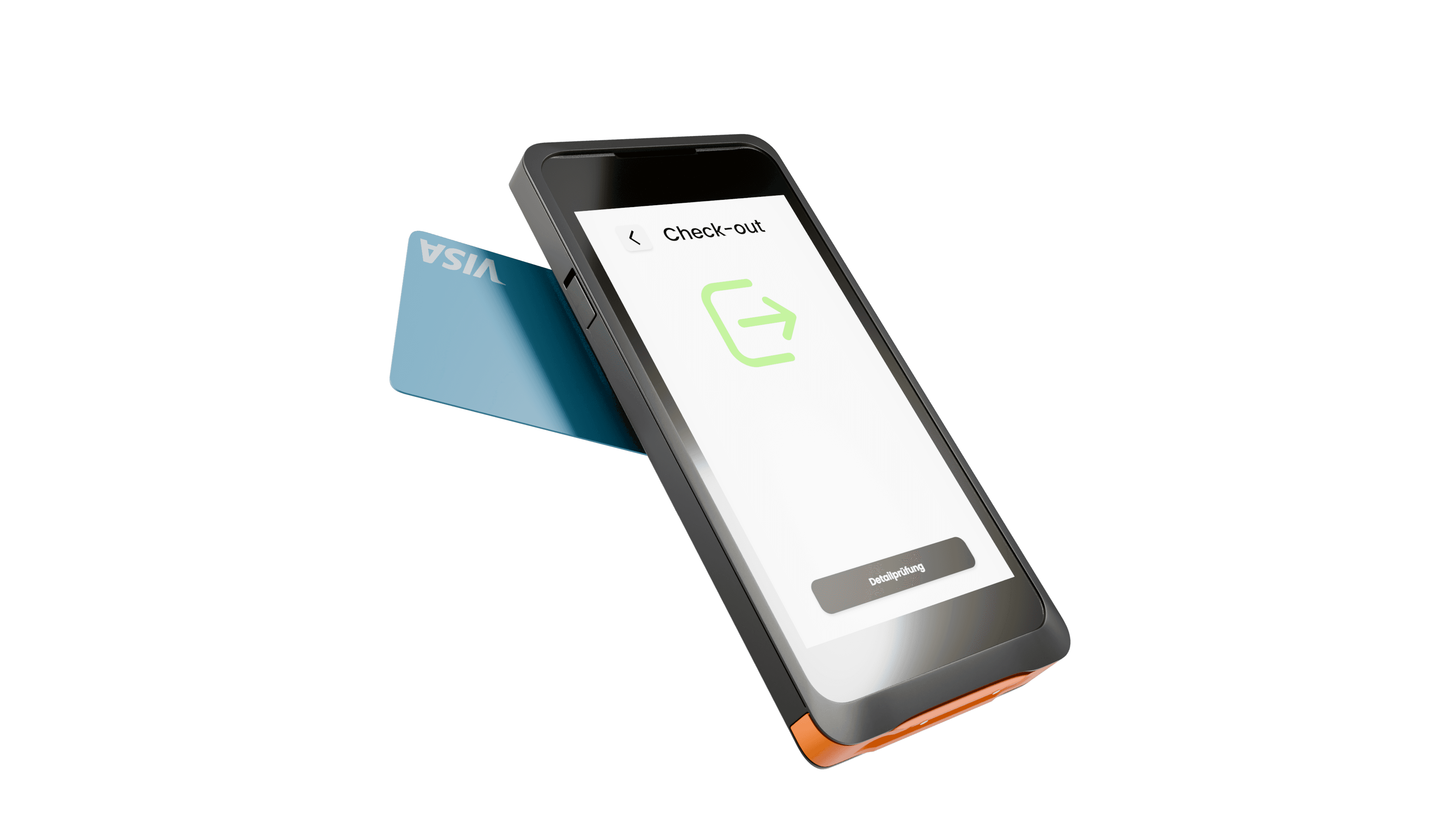
Mockup_Itemdrop-Handheld